




TPU Film for Inflatable Beds: Technical Advantages and Application Benefits
Executive Summary: TPU film is redefining the standard for inflatable bed manufacturing. Offering superior elasticity, airtightness, and environmental safety compared to traditional PVC, it is the premier choice for manufacturers targeting the high-quality and durable mattress market.
Introduction
In the field of inflatable bed manufacturing, material selection directly impacts sleep quality and product longevity. Traditional PVC has been widely used, but it has limitations such as lower elasticity, potential odor, and environmental concerns. TPU film is emerging as the superior alternative due to its exceptional elasticity, airtightness, and eco-friendly properties. This makes it the ideal choice for high-quality and durable inflatable beds.
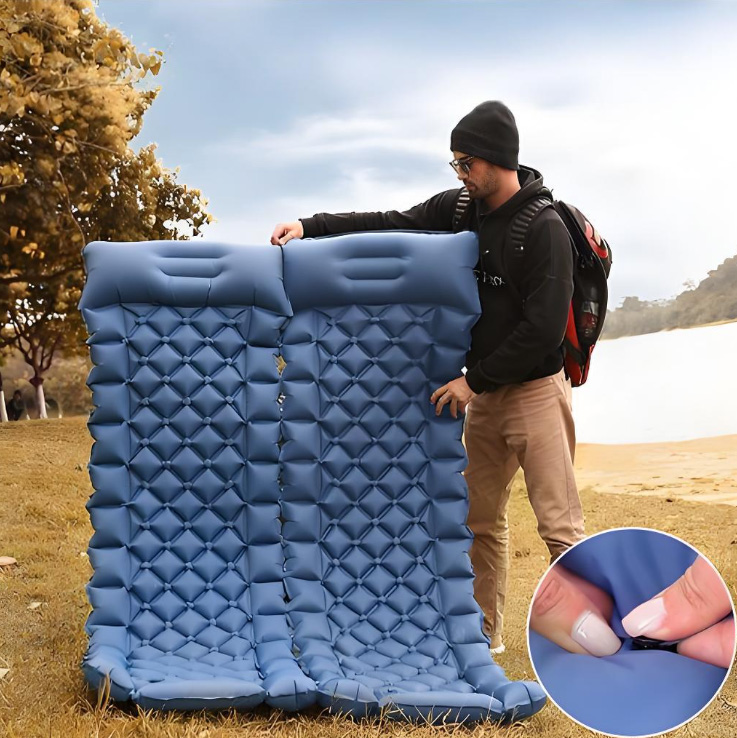
Display image of TPU film for inflatable beds
The Core Advantages of TPU Film
1. Exceptional Load-Bearing Performance
TPU film has high tensile strength and excellent elasticity, allowing it to withstand repeated inflation and human weight. Beds maintain their shape and resist deformation, providing stable and comfortable sleep support.
2. Safe Sleep Environment
TPU is inherently flexible and does not require the addition of plasticizers. Unlike PVC, which may rely on phthalates or other plasticizers, TPU films can help reduce concerns related to plasticizer migration and unwanted odors. It comply with international safety standards, including OEKO-TEX®, and are suitable for direct skin contact and indoor applications.
3. Durable Airtight Performance
TPU film provides excellent heat-sealing properties and superior seam strength compared to PVC. Professional heat-sealing ensures long-term airtight performance, reducing the risk of leaks and enhancing reliability.
Practical Application Value for Inflatable Bed Manufacturers
- Enhances product durability and reduces post-sales issues
- Meets high-end consumers' demand for healthy, odor-free sleep materials
- Creates a differentiated selling point of “zero odor and greater durability”
- Easily complies with stringent environmental certifications in Europe and the US
- Supports premium pricing and brand positioning for high-quality inflatable beds
Technical Comparison: TPU Film vs PVC Film
| Advanced TPU Film | Traditional PVC Film |
|---|---|
| Tensile Strength: High strength, resists stretching and repeated inflation | Tensile Strength: Moderate strength, prone to deformation over time |
| Elasticity: Excellent elasticity, maintains shape under stress | Elasticity: Limited flexibility, may crack in cold conditions |
| Airtightness: Superior heat-sealing and seam strength, long-term air retention | Airtightness: Lower seam strength, higher risk of leaks |
| Safety & Environmental Compliance: Free from phthalates, meets OEKO-TEX® and other international standards | Safety & Environmental Compliance: Contains plasticizers, limited compliance with environmental standards |
| Durability: Resistant to wear, maintains performance over long-term use | Durability: Less resistant, prone to damage with repeated use |
Extended Applications and Market Trends
- Luxury inflatable mattresses for home and outdoor use
- Portable camping and backpacking inflatable beds
- Airbeds for hotels, resorts, and glamping
- Therapeutic and medical inflatable beds requiring safe and hygienic materials
Testing and Quality Assurance
- Air retention testing ensures no leaks under repeated inflation
- Tensile and elongation tests verify load-bearing capacity and elasticity
- Seam and heat-seal testing ensures long-term airtightness
- Environmental simulation tests include UV exposure, temperature cycling, and humidity resistance
- Surface inspection detects pinholes, cracks, or coating inconsistencies
Conclusion
By leveraging the superior mechanical properties, airtightness, and eco-friendly profile of TPU film, manufacturers can produce high-quality inflatable beds that outperform PVC alternatives. This upgrade ensures comfort, durability, and environmental safety, making TPU the future of premium inflatable beds.
Ready to Upgrade Your Manufacturing Material?
Contact for Consultation